Healthcare organizations face staggering financial and clinical challenges when turnover remains unchecked. On average, they lose between $3.6 million and $6.5 million each year due to nurse turnover, and patient mortality risk increases by 7 percent with every additional patient added to a nurse’s workload.
Many hospitals now recognize that traditional staffing frameworks no longer meet the demands of modern healthcare. Vacancy rates continue to climb, quality metrics decline, and patient experience scores remain stubbornly low. Yet the highest-performing hospitals are finding ways to turn the tide as they prepare for the realities of 2025.
What sets these leaders apart is a commitment to building resilient workforce strategies. By prioritizing workforce management, they not only improve job satisfaction through balanced workloads and flexible scheduling but also strengthen their ability to respond to crises such as the COVID-19 pandemic.
In the sections ahead, we will look at the strategies that define success in today’s complex healthcare environment, from restructuring talent layers to adopting demand-based scheduling.
Why Traditional Workforce Models No Longer Work

Healthcare faces a global crisis with projections showing a shortage of 14.5 million workers by 2030. The old ways of managing staff and workforce planning can’t keep up with this massive challenge.
Outdated staffing ratios and static planning
Healthcare workforce planning has always been reactive. Hospitals still rely on rigid staffing ratios that don’t adapt to patient needs, staff turnover, or new technology. The situation gets worse with an aging healthcare workforce and rising patient numbers.
The numbers paint a grim picture. About 40% of hospital nurses aren’t happy with their jobs. One in three nurses under 30 plan to leave within a year. Staff shortages, heavy workloads, and too much overtime drive this exodus.
Research shows that fewer nurses on duty leads directly to:
- Higher patient mortality rates
- More medication errors and falls
- Higher rates of hospital-acquired infections and pressure injuries
- More patient readmissions
Lack of coordination between departments
The problems run deeper than just staffing. Traditional workforce models suffer from deep divisions. Healthcare services work in isolation, creating what many call an “Everyone minds their own” culture.
These divisions create real problems when patients move between care settings – from hospitals to rehab centers to home care. Treatments often overlap or conflict. A striking 85% of doctors say uncoordinated care leads to at least one bad outcome.
Different laws and financial structures govern various healthcare departments. This creates a language barrier that makes it harder for patients to access services. The result? Separate working cultures emerge that pit hospital staff against primary care providers.
Patient care becomes more complex, especially with older people who have multiple conditions. Complex treatment paths without clear ownership leave patient needs lost in a broken system.
How Top Hospitals Assess and Analyze Their Workforce
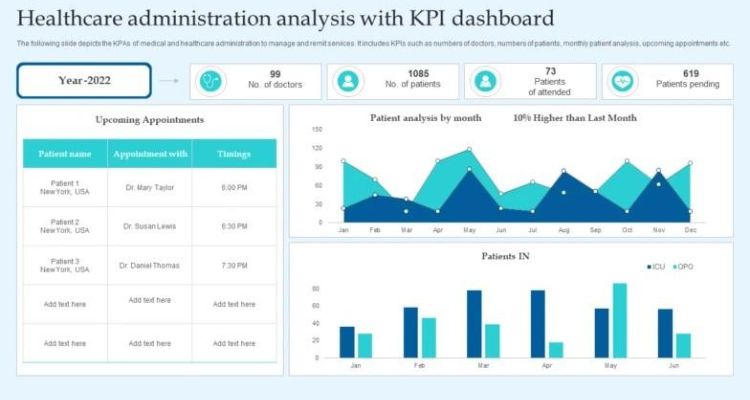
Top hospitals understand that evidence-based assessment forms the life-blood of healthcare workforce management that works. These institutions create stronger and more responsive care environments by carefully analyzing staffing metrics.
Evaluating core vs. contingent staff mix
High-performing hospitals assess their permanent workforce capacity against workload before they ask staffing agencies to develop environmentally responsible contingent nurse workforce plans. They strategically identify where contingent labor expertise should go instead of avoiding contingent staffing completely.
Successful organizations see their contingent workforce as valuable team members rather than temporary fixes. Hospitals tap into new skills and strengths that benefit everyone when they effectively onboard travel nurses and blend them into the unit culture.
Tracking turnover, engagement, and burnout
Workforce turnover has major financial consequences—recruiting costs range from $10,000-$88,000 per nurse vacancy and $88,000-$1,000,000 per physician. High turnover disrupts care continuity, damages staff morale, and reduces overall productivity beyond just money.
The Maslach Burnout Inventory (MBI) remains the gold standard to measure burnout, though some hospitals now use non-proprietary single-item measures that show high correlation (0.79) with MBI results. All the same, burnout affects nearly half of all U.S. nurses and physicians, this is a big deal as it means that rates in the general population.
Reviewing scheduling and shift flexibility
State-of-the-art hospitals have moved past traditional staffing models toward more flexible approaches. They implement variable staffing plans that convert each census level into minimum registered nurse requirements by time of day. Some institutions offer groundbreaking options including:
- Staggered shifts starting at non-traditional times
- Flexible shift lengths that split shifts into shorter scheduled times
- Team scheduling with groups working the same blocks throughout multi-week schedules
Top hospitals create environments where patients and healthcare professionals thrive through careful workforce analysis and scheduling innovation.
Reconstructing Workforce Models with External Support
Progressive hospitals have stopped looking for quick fixes to their staffing challenges. These healthcare institutions know they need external support to create eco-friendly workforce models.
Phased integration of external staff
Leading hospitals use a staged approach to external staffing. The core team gets the first chance at open shifts, followed by local per diem nurses. Travelers step in only when needed. This gradual integration helps prevent bias against temporary workers that could impact patient safety. Jefferson Health’s Nursing SEAL Team shows how well this works – they meet 12%-16% of staffing needs every week in 18 hospitals.
Leveraging per diem nurse staffing to optimize costs
Per diem nurse staffing cuts costs while keeping care quality high. Mercy switched to gig-based staffing and cut agency spending by 50%, which saved them over $5 million. Their fill rate improved by 2% and reached 86%. Per diem nurses help hospitals:
- Adjust staffing based on patient numbers
- Control costs without paying extra benefits
- Give full-time staff breaks during busy periods
Clinically-led staffing decisions for better care
Smart hospitals let clinical expertise guide their staffing choices. Healthcare organizations with clinically-led teams that have about 200 combined years of acute hospital and nurse leadership experience build stronger workforce models. Nurse leaders need authority to change staffing levels based on live patient needs.
Optimizing Talent Layers with Internal Flexibility

Building internal workforce agility serves as a life-blood strategy for leading healthcare institutions in 2025. Healthcare institutions create more resilient staffing models through restructured internal talent deployment.
Using float pools and cross-trained teams
Float pools work as internal rapid response teams that step in wherever needed most. UCLA Health shows this approach well and increased their nursing service float team from 649 to 840 staff between 2020 and 2021. These cross-trained professionals add built-in flexibility without heavy reliance on external agencies.
Float pools give great advantages despite barriers like geographical distance and unit-specific cultures. Advanced programs match clinicians based on specialty, privileges, and facility familiarity. Float pools combined with cross-training create what experts call “volume flexibility” to manage staffing variations.
Implementing demand-based scheduling
Demand-based scheduling adds another layer to workforce management’s state-of-the-art solutions. This approach creates schedules based on up-to-the-minute data and forecasting, which allows hospitals to:
- Offer shorter shifts (four or eight hours) that fit clinicians’ lives
- Implement flexible shift start/end times
- Provide shift swapping options for improved work-life balance
Health Carousel’s analytics-driven technology sends instant alerts for forecasted gaps, which enables proactive solutions through flex staff or schedule adjustments. Patient demand gets forecasted through predictive modeling techniques while prescriptive models arrange shifts with patient needs.
Conclusion
The challenges facing healthcare organizations in 2025 are complex, but they are not insurmountable. Hospitals that thrive recognize that workforce management is not only about filling shifts but about creating sustainable systems that balance patient care with financial stability. By combining internal flexibility with well-planned external support, they ensure that staff have the resources to deliver safe and effective care even under pressure.
The most successful institutions treat workforce planning as a strategic investment rather than a reactive measure. They rely on data to anticipate needs, empower clinical leaders to make staffing decisions, and incorporate models such as per diem staffing to align costs with patient demand.
As the healthcare sector continues to evolve, those who commit to rethinking workforce structures will stand out as leaders. Their ability to blend agility, innovation, and compassion into their staffing strategies will not only determine financial outcomes but will also define the quality of care patients receive in the years ahead.