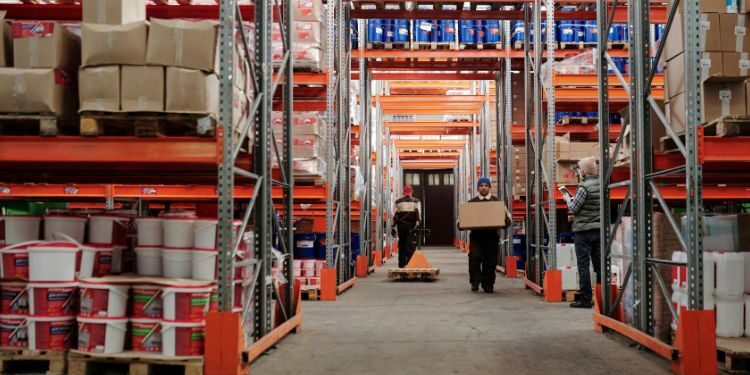

A well-organized warehouse drives the success of your growing business. Every shelf, workflow, and system contributes to keeping operations smooth.
As your needs expand, a cluttered or inefficient setup can slow everything down. Smart solutions make all the difference—helping you save time, reduce costs, and meet demand seamlessly.
This guide shares practical strategies for designing flexible layouts, improving space usage, and scaling efficiently. Read along for actionable ideas you can apply today.
Streamline Picking and Packing Processes
Efficient picking and packing workflows can transform your warehouse operations. Clear, well-labeled zones ensure workers find items quickly without confusion. Use batch-picking techniques to group similar orders, reducing travel time within the space.
Invest in tools like barcode scanners or inventory management software to track stock levels instantly, cutting down on manual errors. Minor adjustments, like placing products that are in high demand closer to packing areas, can significantly reduce time during peak periods. This helps maintain a fast and reliable workflow as your business handles growing demand.
Maximize Space with Smarter Storage Solutions
After improving workflows, focus on optimizing your storage setup. The efficient implementation of shelving systems plays a critical role in boosting productivity. Vertical shelving units make better use of height, freeing up floor space for movement and additional inventory.
Choose modular or adjustable shelves that adapt as stock levels change, keeping the system flexible as your business grows. For heavier goods, sturdier racking ensures safety while allowing quick access to items during busy periods—helping you maintain smooth operations without costly delays caused by disorganized spaces.
Leverage Technology for Inventory Accuracy
Technology enhances inventory accuracy, reducing errors that slow operations. Real-time tracking systems, like RFID or barcode scanners, ensure every product is accounted for as it moves in and out of the warehouse.
Implement automated alerts to reorder stock before supplies run low, preventing disruptions during high-demand periods. Cloud-based inventory software offers accessibility from anywhere, making coordination between teams seamless. These tools don’t just save time—they also provide valuable insights into sales trends and stock movement to support smarter decision-making as your business expands.
Design Flexible Warehouse Layouts
A well-planned layout improves productivity by reducing unnecessary movement and streamlining operations. Keep frequently accessed items near entry points or packing stations to minimize worker travel time. Wide, clear aisles prevent congestion, even during busy periods.
Consider flexible designs that can adjust as inventory needs evolve—movable partitions or modular shelving make it easier to adapt quickly. Plan space for future growth without sacrificing current efficiency, ensuring the warehouse stays organized and functional no matter how fast your business scales up.
Train Your Team for Long-Term Efficiency
Finally, your team plays a vital role in sustaining productivity as your business grows. Regular training sessions keep employees updated on new tools, safety protocols, and optimized workflows. Well-trained staff work faster, with fewer mistakes and less downtime.
Encourage open communication to identify bottlenecks or inefficiencies workers experience daily—they often provide the best insights into practical improvements. Investing in employee development builds a skilled workforce ready to handle growth challenges while ensuring consistent performance across all aspects of warehouse operations.
Final Thoughts
Scaling a warehouse requires thoughtful planning and smart choices to maintain efficiency. Each adjustment, whether it’s optimizing layouts or upgrading storage systems, adds lasting value to your operations.
Growth is an opportunity to refine processes and build a foundation for long-term success. Take the time now to implement practical solutions that align with your goals—you’ll thank yourself when future demand feels manageable instead of overwhelming.