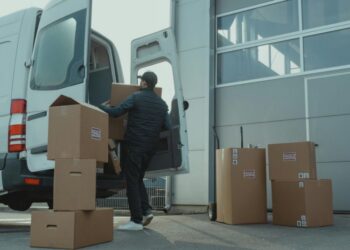
Micro warehousing is allowing local merchants to optimize customer experience strategies like never before.
Also known as micro-fulfillment centers, investing in small storage facilities (MFCs) in or near customers’ locations improves service times and supply chain management. Placing MFCs in more densely populated areas, rather than traditional distribution centers outside cities, even enables same-day deliveries, a game-changer for customer service.
Learn more about the advantages and strategies behind micro-warehousing.
Advantages for Small Retailers and New Entrepreneurs
Micro-warehousing also allows new entrepreneurs in urban areas like Los Angeles to grow their businesses with less startup capital. Entrepreneurs can even find clean and secure self storage nearby to store their most popular items and deliver products quickly to local customers. This is a good option for new small business owners with zero to minimal staff.
The Benefits of Micro-Warehousing for Growing Retailers
Customers have come to depend on quicker delivery times. Why wait three days for a product when the same product is available for same-day delivery? This is something to consider when you sell the same products as competitors.
Retailers who specialize in handmade or unique sourced products may feel less pressure to adopt same-day delivery. However, same-day delivery takes customer experience to another level and increases interest in boutique retailers via word-of-mouth recommendations, social media mentions, and Google reviews.
Even better, retailers save significant mileage costs on travel distances, making micro-warehousing both cost-effective and less burdensome on the environment. Retailers can use that last point as a marketing strategy for attracting more eco-conscious consumers.
Improve Efficiency With Automation
Automation is another game-changer that reduces the supply chain burden to get products into customers’ hands quickly. Merchants can automate certain micro-warehousing strategies, such as:
- Email order confirmations
- Shipping notices
- Inventory updates (and out-of-stock messages)
- Forecast demand
- Shipping label creation
Warehouse POS systems can also be updated with automated data analytics that generate real-time performance data, including staff ratios, inventory accuracy, and productivity per hour. Automation also reduces the risk of human error, leading to more accurate inventory management and lower backorder rates.
Other KPIs include space utilization, shrinkage, and pick times, which can all be automated to produce real-time metrics for optimization.
Even compliance strategies, like staying up to date with zoning regulations for warehouses, can be automated to ensure that deadlines are met via alerts. Some warehouses, including those with robotic upgrades and centers in high-traffic areas, may be subject to additional regulation.
Compliance automation can also reduce workplace injury rates and ensure OSHA standards are met at all times.
What’s the Difference Between Micro Warehousing and 3PLs?
Distinguishing between in-house micro warehousing and 3PL (Third-Party Logistics) can also inform supply chain management for companies that want to expand operations.
A 3PL company can offer micro warehousing as a service, as well as transportation and order fulfillment. Outsourcing micro warehousing operations, including warehousing data analytics, can help companies focus more on product development, marketing, and creative customer experience strategies.
Invest in the Right Micro Warehousing Strategy
Whether you’re a new entrepreneur with an exciting new product or manage an established company looking to expand, your business model can always benefit from a better customer experience. Integrate micro warehousing to introduce faster delivery times, like same-day shipping. Discover the advantages of automation to align your supply chain and cost management strategy for a better bottom line.