Introduction to Competitive Analysis
Competitive analysis is a key part of running a successful business. It helps you understand what your rivals do well, where they fall short, spot opportunities and threats, and make smarter business decisions.
In simple terms, competitive analysis means studying other companies in your market—looking at their strengths and weaknesses, market share, target audience, products or services, pricing, and marketing strategies. The goal is to identify ways to stand out and create strategies that give your business an edge.
By doing this, you get a clear picture of who your competitors are, what the market looks like, and how your business compares. This insight allows you to make informed decisions, innovate, and stay ahead.
Competitive analysis is not just about watching others—it’s about using that knowledge to improve your own offerings and strategy. It’s a process often called competitive benchmarking, a concept popularized by Michael E. Porter in his book Competitive Advantage.
Key areas to focus on include: competitors, industry analysis, market share, SWOT analysis, competitive intelligence, target audience, unique value proposition, and market trends.
Competitive analysis is very important. It helps you understand what your rivals are good at and what they’re not, spot chances and dangers, and make your business plans better.
Competitive analysis means looking into and checking out what other companies in your business area or market are doing. You study their good and bad points, how much of the market they control, who they’re selling to, and how they advertise.
The aim of competitive analysis is to find ways to be different from others and make plans that give your company an edge. It’s an important part of planning for your business. It helps you know who you’re up against and what the situation is like, so you can make smart choices for your own company.
Doing competitive analysis
To see how you stack up against others, do these things:
- Figure out who your main rivals are: Make a list of them and look them up online.
- Learn about what your rivals offer: Look into their products, services, prices, how they market, and what their customers say.
- Compare what you offer: See how your stuff is different from your rivals’. Think about quality, features, cost, and customer service.
- Check out how your rivals market: See how they promote their things and reach their customers.
- Look at what customers say about your rivals: See what they’re saying and how it compares to what your customers say about you.
- Find what makes you special: Figure out what makes your business different and use that in how you sell it.
- Keep an eye on your rivals: For example, once a month or every three months, see what they’re up to and how well they’re doing. This keeps you in the game and ahead.
Problems with Competitive Analysis
A couple of common challenges in competitive analysis are not having complete or up-to-date information and letting personal opinions get in the way. It’s easy to miss important details or rely on old data, and sometimes our own assumptions can color how we see competitors.
A simple way to fix this is to collect info from different sources—like websites, social media, reviews, and industry reports—and check it regularly. Also, use a clear framework like SWOT or a competitor matrix, and get your team involved so you get different perspectives and more reliable, useful insights.
Pro tip
It’s best to do this with your whole management team, like a month before you have big meetings to make plans and strategy. It gets everyone thinking and makes you feel a bit uneasy, but that’s good for coming up with new ideas. It also makes you feel that you need to hurry to make changes. Look at annual reports for a deep look into the money side of things, to see how you measure up.
Still, it’s more important to focus on your own business. Now you have an idea of where other companies might be going, which can really help you think about your own plans and what new things you could make. This is called competitive benchmarking, a term from the ’90s.
Creative idea on mapping the competition
A fun, hands-on way to do competitive analysis is to print your competitors’ websites in color and spread them out on a table or pin them to a wall. Seeing them side by side makes it easy to spot differences in design, messaging, and offers. Grab some markers, jot down notes, and discuss as a team—it’s a quick, creative way to spark ideas and see where you can stand out.
Michael E. Porter on Competitive Advantage
If you want to really understand competitive analysis, read this great book called Competitive Advantage by Michael E. Porter.
Michael E. Porter’s approach to competitive analysis focuses on understanding the forces that shape competition within an industry and finding ways to gain a sustainable advantage. He introduced tools like the Five Forces framework, which examines the threat of new entrants, bargaining power of suppliers and customers, threat of substitutes, and industry rivalry, and the concept of competitive strategies—cost leadership, differentiation, and focus. By analyzing these factors, businesses can identify opportunities, anticipate threats, and make strategic choices that set them apart from competitors, helping them achieve long-term success.
Use these words to search more and really get to know your competition and analyze them: Competitors, industry analysis, market share, SWOT analysis, market competition, competitor analysis tools, competitive intelligence, competitive advantage, target audience, unique value proposition, market trends.
Gap Analysis with Blue Ocean Canvas
Gap analysis in competitive analysis helps identify the differences between where your business currently stands and where it could be in comparison to competitors. It highlights areas where your offerings, marketing, or customer experience may be lacking, revealing opportunities for improvement.
The Blue Ocean Canvas complements this by encouraging you to explore untapped markets and create value in ways competitors aren’t, focusing on innovation rather than just beating rivals. Together, these tools help businesses see both their performance gaps and new avenues for growth, enabling strategies that combine efficiency, differentiation, and market creativity.
List of Management Theories on Competition analysis
Here’s a list of key management theories and frameworks related to competitive strategy and analysis:
Porter’s Five Forces (Michael E. Porter) – Analyzes industry structure and competition by looking at the threat of new entrants, bargaining power of suppliers and buyers, threat of substitutes, and industry rivalry.
Porter’s Generic Strategies – Defines three competitive strategies: cost leadership, differentiation, and focus, helping firms position themselves in the market.
SWOT Analysis – Evaluates internal strengths and weaknesses alongside external opportunities and threats to inform competitive positioning.
Resource-Based View (RBV) – Focuses on leveraging unique internal resources and capabilities as a source of sustainable competitive advantage.
PESTEL Analysis – Examines macro-environmental factors (Political, Economic, Social, Technological, Environmental, Legal) that impact competition and strategy.
Blue Ocean Strategy (W. Chan Kim & Renée Mauborgne) – Encourages creating uncontested market space rather than competing in saturated markets.
BCG Matrix (Boston Consulting Group) – Assesses product portfolio based on market growth and market share to guide strategic focus and resource allocation.
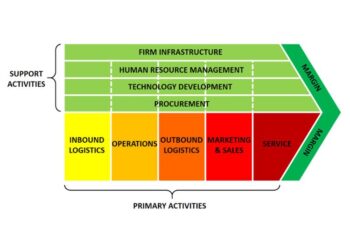
Value Chain Analysis (Michael E. Porter) – Breaks down activities in a business to identify sources of competitive advantage.
Ansoff Matrix (Igor Ansoff) – Maps growth strategies through market penetration, product development, market development, and diversification.
Competitor Profiling and Benchmarking – Systematic evaluation of competitors’ strategies, capabilities, and performance to identify gaps and opportunities.
In conclusion
In conclusion, competitive analysis is an essential tool for any business that wants to stay ahead and grow. By understanding your competitors’ strengths, weaknesses, strategies, and market positions, you gain valuable insights that help you make smarter decisions, spot opportunities, and avoid potential threats.
While it requires effort and careful data collection, using structured approaches like SWOT analysis, benchmarking, and frameworks from experts like Michael E. Porter ensures that your analysis is reliable and actionable. Regularly reviewing your competition not only keeps you informed but also inspires innovation, helps refine your unique value, and strengthens your overall business strategy.
Facts about Competitive Analysis
1. 72% of businesses say competitive intelligence is critical to their success.
Regular competitive analysis helps businesses stay informed, adapt quickly, and identify new opportunities.
Reference: Crayon – State of Competitive Intelligence Report 2020
https://www.crayon.co/
2. Companies that monitor competitors frequently are 2x more likely to increase market share.
Ongoing analysis helps spot threats and trends before they impact your business.
Reference: Forrester Research (via Crayon)
Cited in: https://www.crayon.co/blog/competitive-intelligence-statistics/
3. SWOT analysis is one of the most used tools in competitive analysis.
It helps businesses compare their strengths and weaknesses against competitors and identify strategic areas for improvement.
Reference: Harvard Business School Online – Business Strategy Guide
https://online.hbs.edu/blog/post/swot-analysis
4. 80% of executives say understanding competitor strategy is essential for business planning.
Competitive insights directly influence product development, marketing, and pricing strategies.
Reference: Gartner – Market & Competitive Intelligence Insight
https://www.gartner.com/en
5. Digital tools like SEMrush, SimilarWeb, and SpyFu are widely used for competitor tracking.
These platforms provide insights into traffic sources, keywords, ad strategies, and audience behavior.
Reference: SEMrush Competitive Research Guide
https://www.semrush.com/kb/518-competitive-research
FAQ
What is competitive analysis and why is it important?
Competitive analysis is the process of identifying and evaluating your competitors’ strengths, weaknesses, strategies, and market position. It helps you find opportunities to stand out, improve your offerings, and make smarter business decisions.
What should I look at when analyzing competitors?
Key areas include their products/services, pricing, marketing strategies, customer reviews, online presence, and market share. This helps you understand what works for them and where you can do better or differently.
How often should I do a competitive analysis?
Ideally, you should review competitors quarterly or at least twice a year. Markets change quickly, so regular analysis keeps your strategy relevant and helps you respond to shifts before your competitors do.